Life Is An Opportunity

Role: Programmer and Designer (solo project)
Tech: GML, GameMaker, GitHub
Project Type: 72-Hour Game Jam (Jamsepticeye)

Life is an opportunity is a 2D RPG Adventure Game where the game centers around a group of misfits who all had troubled backgrounds.
Developed as a solo entry for a high-pressure Game Jam, the project serves as a prototype.
The core objective was to explore narrative-driven mechanics and emotional storytelling within a tight development window.
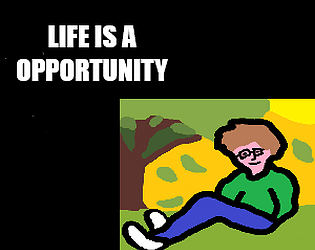
LIAO title image Abyssal Heart Gameplay

Game Designer and Developer

Mark Warren

The Technical Challenge: Rapid Adaptation

The primary challenge of this project was the 3-day deadline coupled with a pivot to a new tech stack.

The core challenge was creating a game with RPG elements and learning GameMaker within 3 days. Moving from a Unity-based workflow to GameMaker (GML) required immediate immersion into a new scripting logic. I successfully implemented core RPG systems—including collision logic, scene transitions, and save states—by rapidly synthesizing documentation and technical resources under pressure.

With no time for traditional pre-production, I used an Agile/Iterative design approach, building mechanics "on the fly" to ensure a playable build was ready for submission.

LIAO preview 1 LIAO preview 2 LIAO preview 3

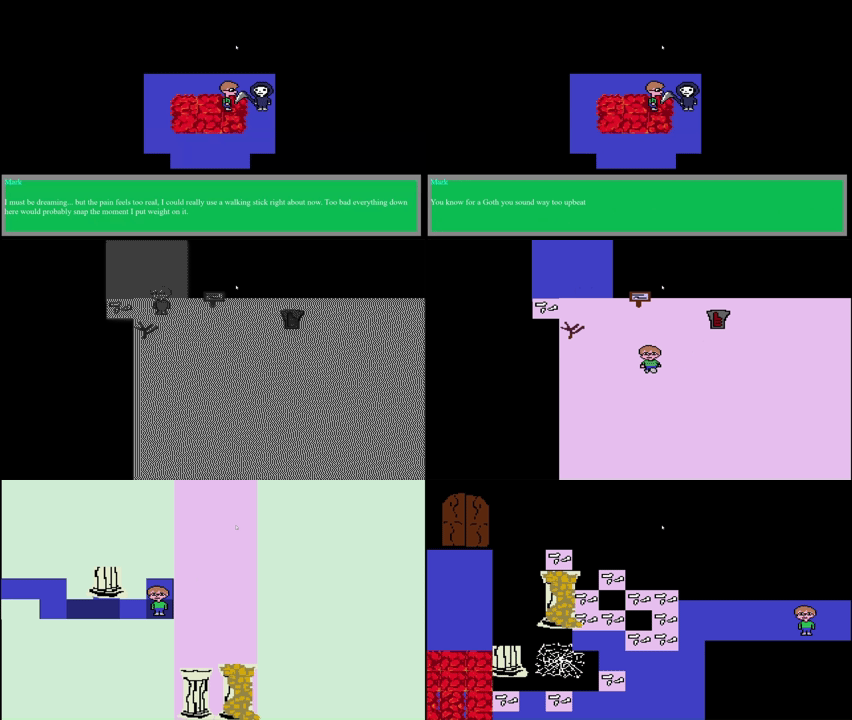
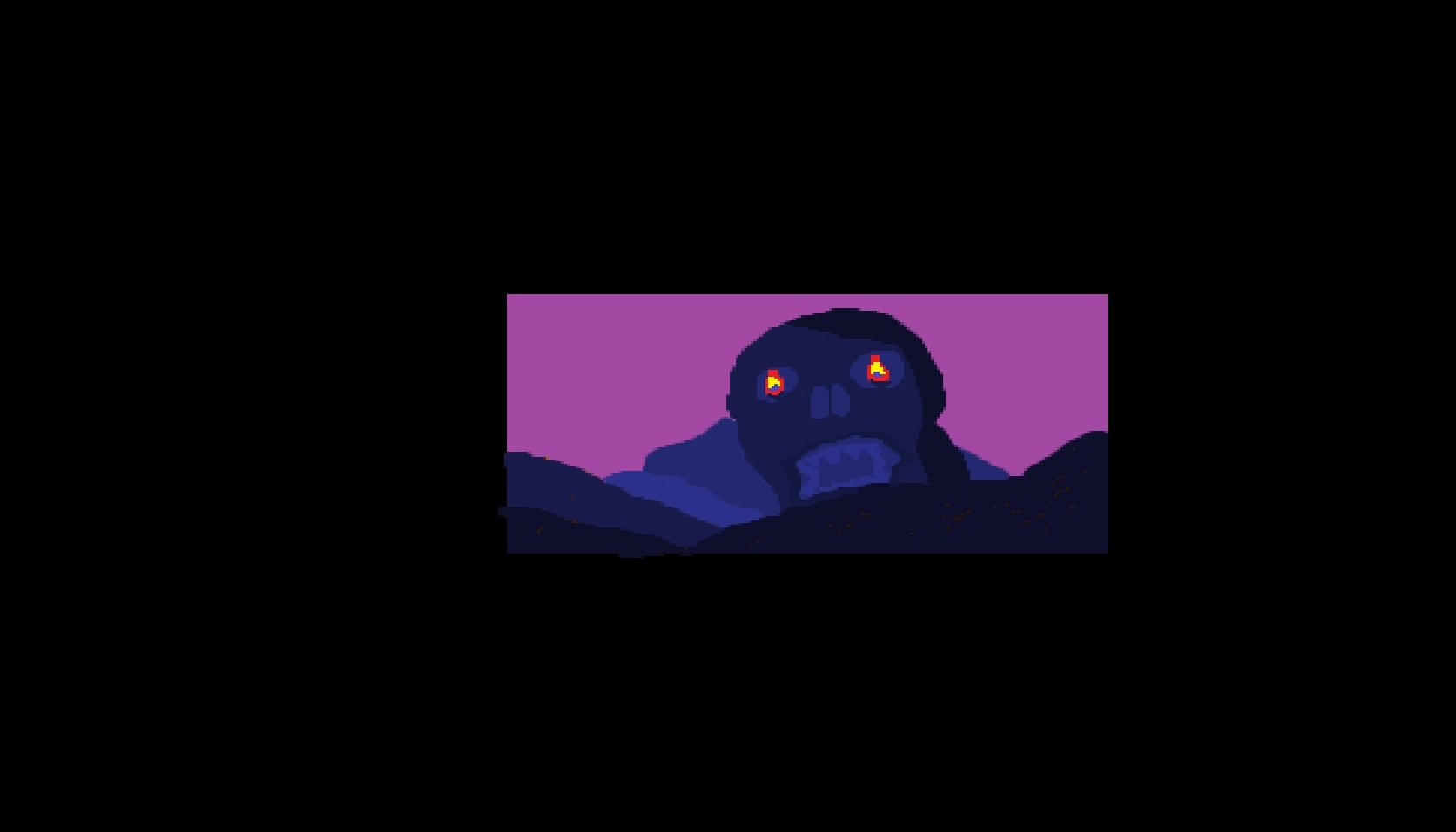
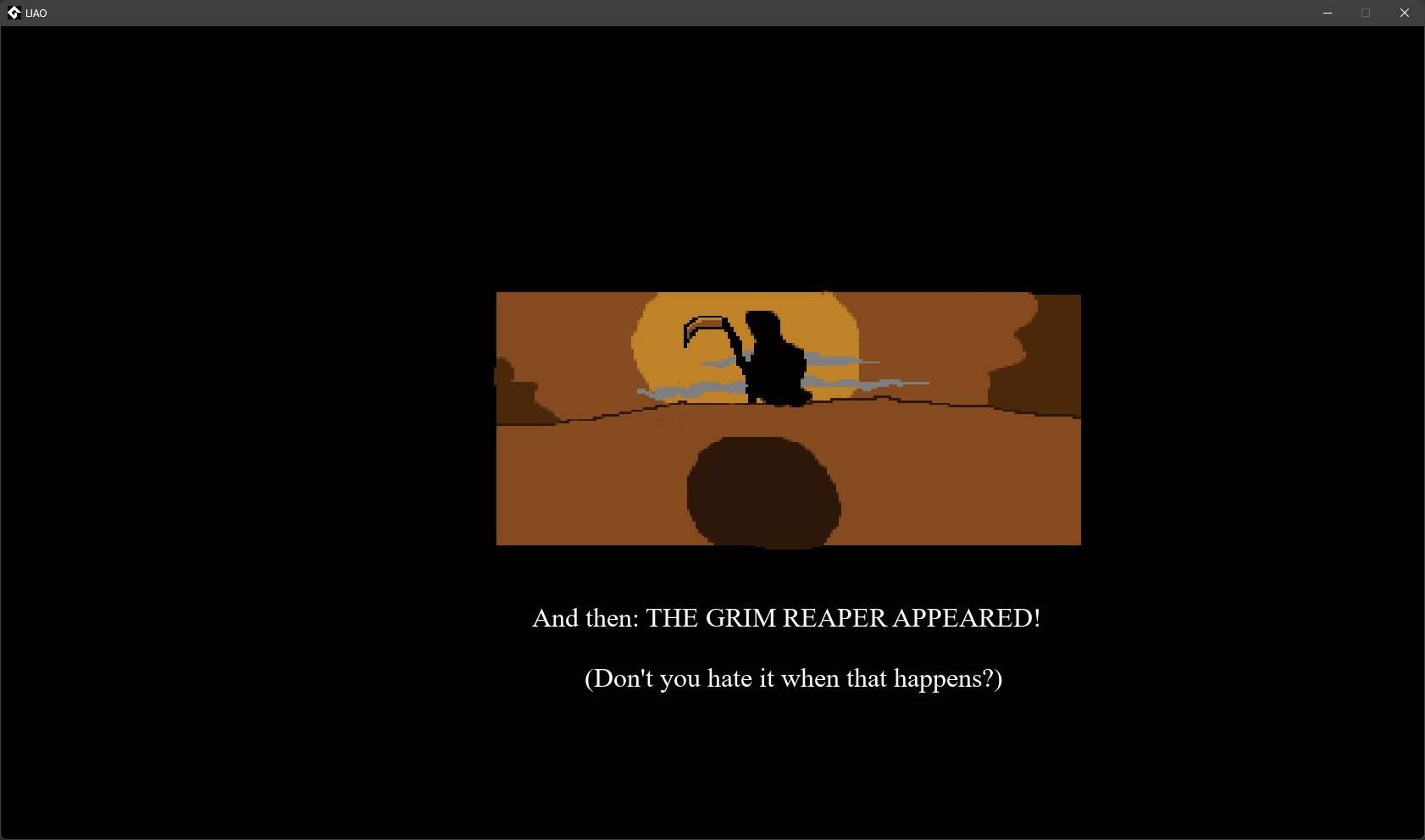
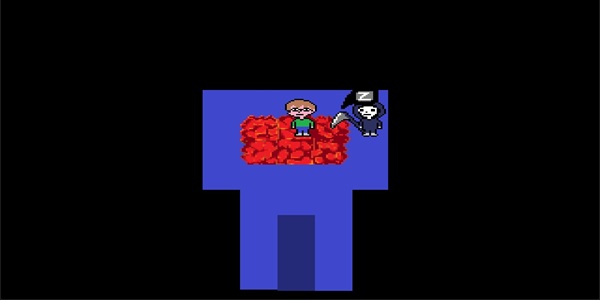
The game originally had ideas to make use of the character Mark but after further research, it was considered that the story needed much more depth to improve storytelling elements. Whilst comedic this game was more or less just a prototype of what would have been a much more serious and graphically appealing version. This version is lacking in function, plot, characters, mechanics and combat with only text, movement and save states only implemented so far. In this version Mark is simply tricked by death to see something important and falls exactly like in Undertale into a cave: there he is tasked to find death and perform tasks. The game was supposed to be puzzle themed but due to time constraints a lot of the content was cut. Having now had time to reflect on the design and theme, the game should be enhanced to include features such as "lucid dreaming" and "possession".

concept_art_1

Project Synopsis

After a long night of making a Game - Mark, our begrudging adventurer is forced into a world beyond his imagination. Can you face the reaper and bring back Mark to finish his Game?

Character Design

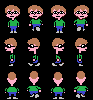
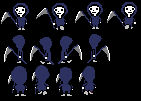
The protagonist, Mark, is designed as a "comic relief" character who breaks the fourth wall, inspired by the dry humor of Simon the Sorcerer. It was at one point planned that the character would just see a giant bolder and just take one step back to watch it roll down a steep incline whilst Death mutters, "Oh... well I guess I should have made sure my traps actually were set up right!" Death would be an entity Mark would interact with as sort of a nagging antagonist not really much of a threat but rather an annoyance that won't leave him alone. The humour in the game reflects a doctor's approach to feelings of grief in that humour is how we make light of harsh environments and cope with the mundane. This was in hopes that the game would eventually lead to a meaningful resolution in which Mark confronts his inner turmoils and accepts life's challenges not by feelings of self-doubt but with confidence and positivity.

concept_art_2 concept_art_3

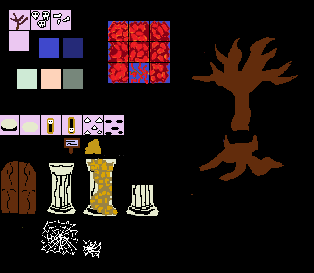
The environment itself draws inspiration from what makes Undertale interesting in it's look, however on reflection if given more time the graphics would have been changed to something more like Persona 3 - much more visually appealing and less flat in design. As a learning tool however, this allowed me to explore things like "save states" and "scene transitions" things that I don't often come across in Software Design. The most significant technical hurdle was the dialogue architecture. I engineered a system to manage variable text speeds and speech bubble positioning relative to object coordinates. While this was a major "time sink" during the jam, it provided a deep understanding of GML’s data handling and UI layers, which I have since refined for future projects.

Objects in the game can be placed using drag and drop elements this allows for creation of maps without having to program every co-ordinate via scripts. This left more time for creation of the levels themselves, however the dialog system itself took an enormous amount of time that I wasn't expecting. The ability for the player to interact with Objects however showed potential that could lead to further game logic that could be applied to things such as picking up objects, talking to characters and interacting with signs or other objects placed in world.

A floating speech bubble would appear in places which the player could interact with, whilst a full game would have involved puzzles, various combat stages and perhaps an inventory management system similar to that of Final Fantasy, learning just these mechanics alone showed that with enough time I potentially could have made a full game with just simply a few gameplay loops and more user interface menus.

concept_art_4 concept_art_5

Technical Post-Mortem

What Worked: Resourcefulness

Despite the shift in engines, the project was a successful exercise in Time Management. Learning the intricacies of GML’s UI layers and box-collision handling provided a foundational understanding of 2D game loops that I have since applied to subsequent projects.

Challenge: The dialog system

One of the most complicated to adapt systems was storing the text in a way that would both display elements on screen and display different character names. I did not anticipate having to adapt the text, scroll speed and various other elements so that the dialog would display smoothly this took a lot of time to understand and if I had knew this would have been the greatest time sink I would have likely spent the tutorial outside of the GameJam itself. Getting the speech bubble to appear above characters and objects however was satisfying as it showed I had learned a basic understanding of interaction between the player and objects in game.

Future development: Persona styled graphics

Post-jam, I have been researching further design elements that would work in a more interesting environment, I see this game not as a fantastic feat of understanding game loops and mechanics but rather as a foundational understanding that I will likely adopt into future projects going forward.

LIAO demonstrates my ability to learn, implement, and ship a product in an unfamiliar environment. It stands as a proof-of-concept for my ability to handle end-to-end development, from low-level GML scripting to high-level narrative and psychological design.

concept_art_6